Overview
Pradeepan follows a strong feminist and rights-based approach to women's empowerment. For three decades, we have worked to ensure that women from tribal, Dalit, and marginalized communities gain leadership, economic independence, safety, and equal participation in community decision-making.
Our Impact
120
Women's CBOs Formed
150+
Women in Small Businesses
8
Women Elected Sarpanch (Unreserved Seats)
32
Women Selected as ASHA Workers
35,000+
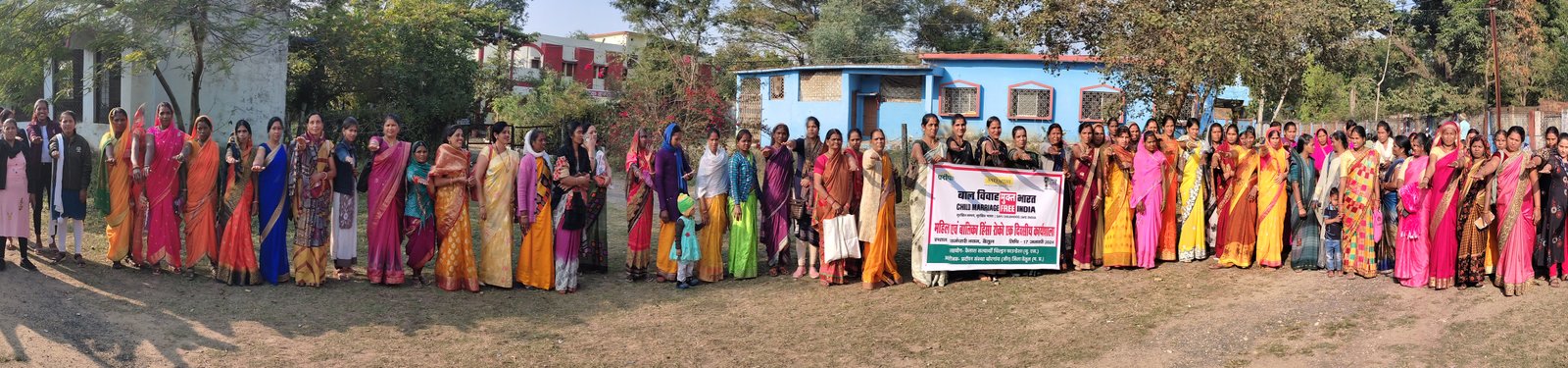
Women Reached (Anti-Violence Campaigns)
100
Self-Help Groups Active
Key Interventions
- Women's Participation in Gram Sabha: Women were organised to raise their voices on equal wages, land rights, education, health, safety, and violence — the first step towards empowerment.
- Community-Based Organisations: 120 women's community-based organisations formed across 50 villages; block-level and district-level federations established for sustained collective action.
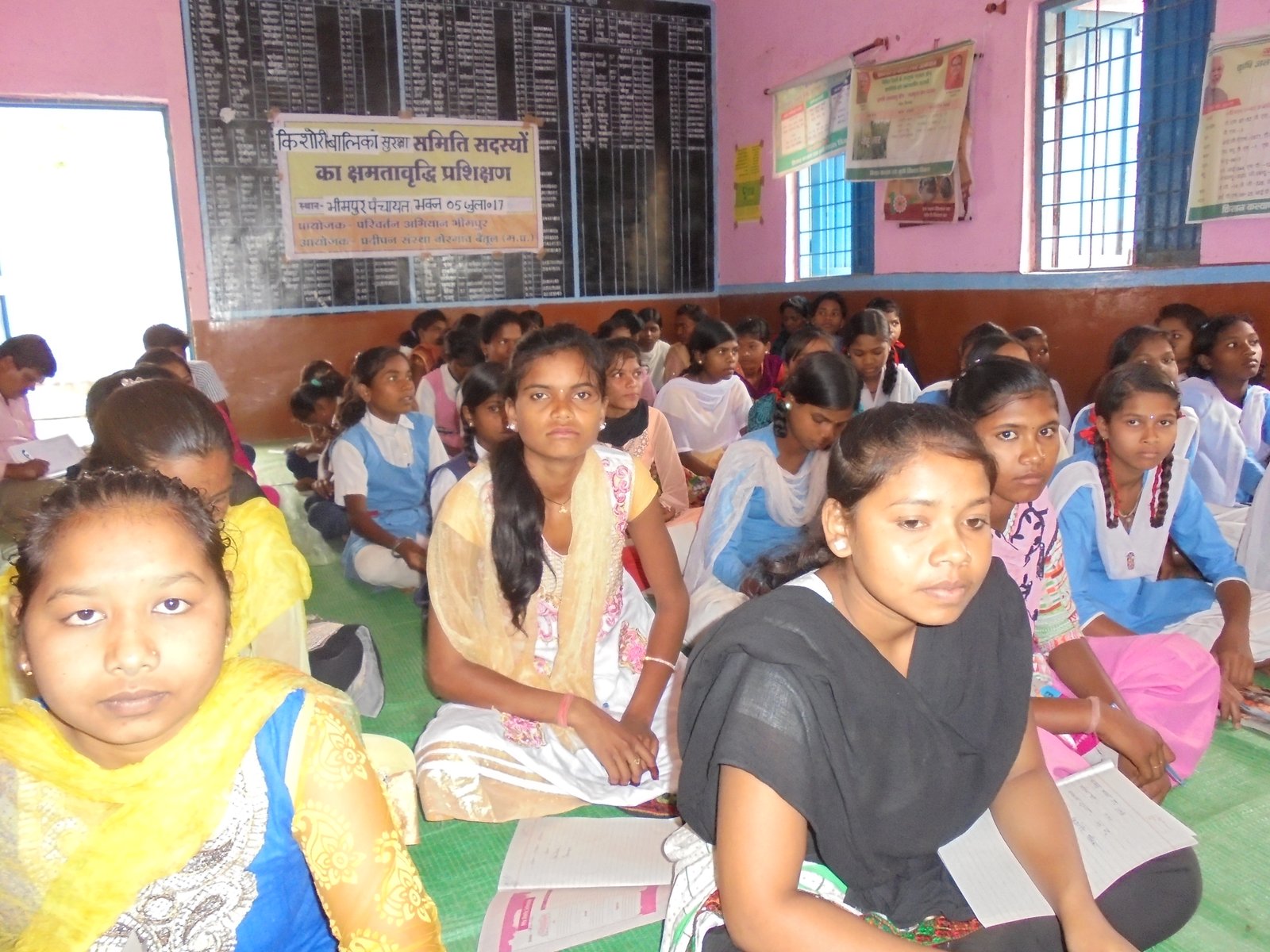
- Shaurya Dal (Courage Groups): Village-level groups formed for preventing violence against women, undertaking fact-finding, providing legal aid, and facilitating administrative intervention.
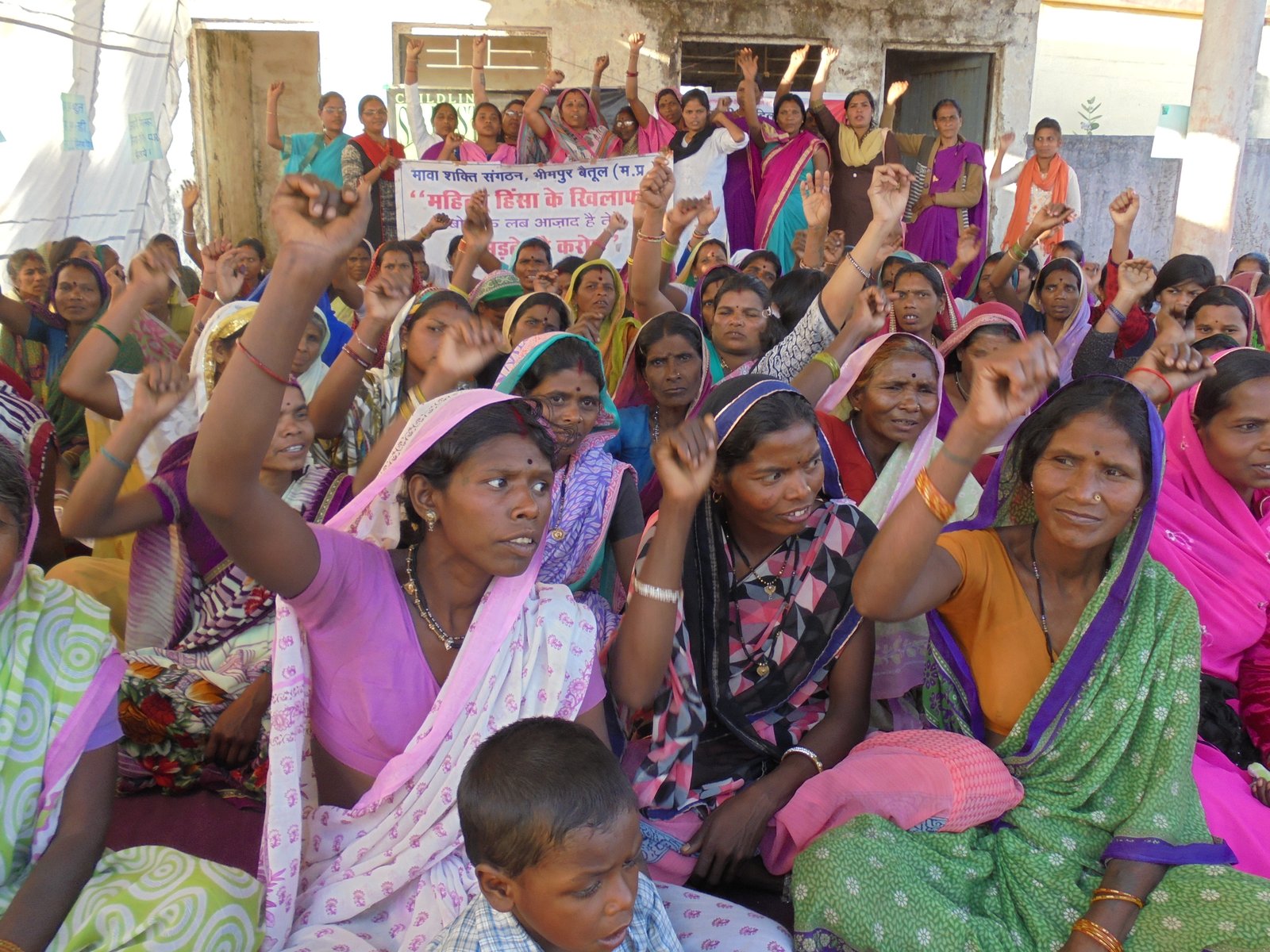
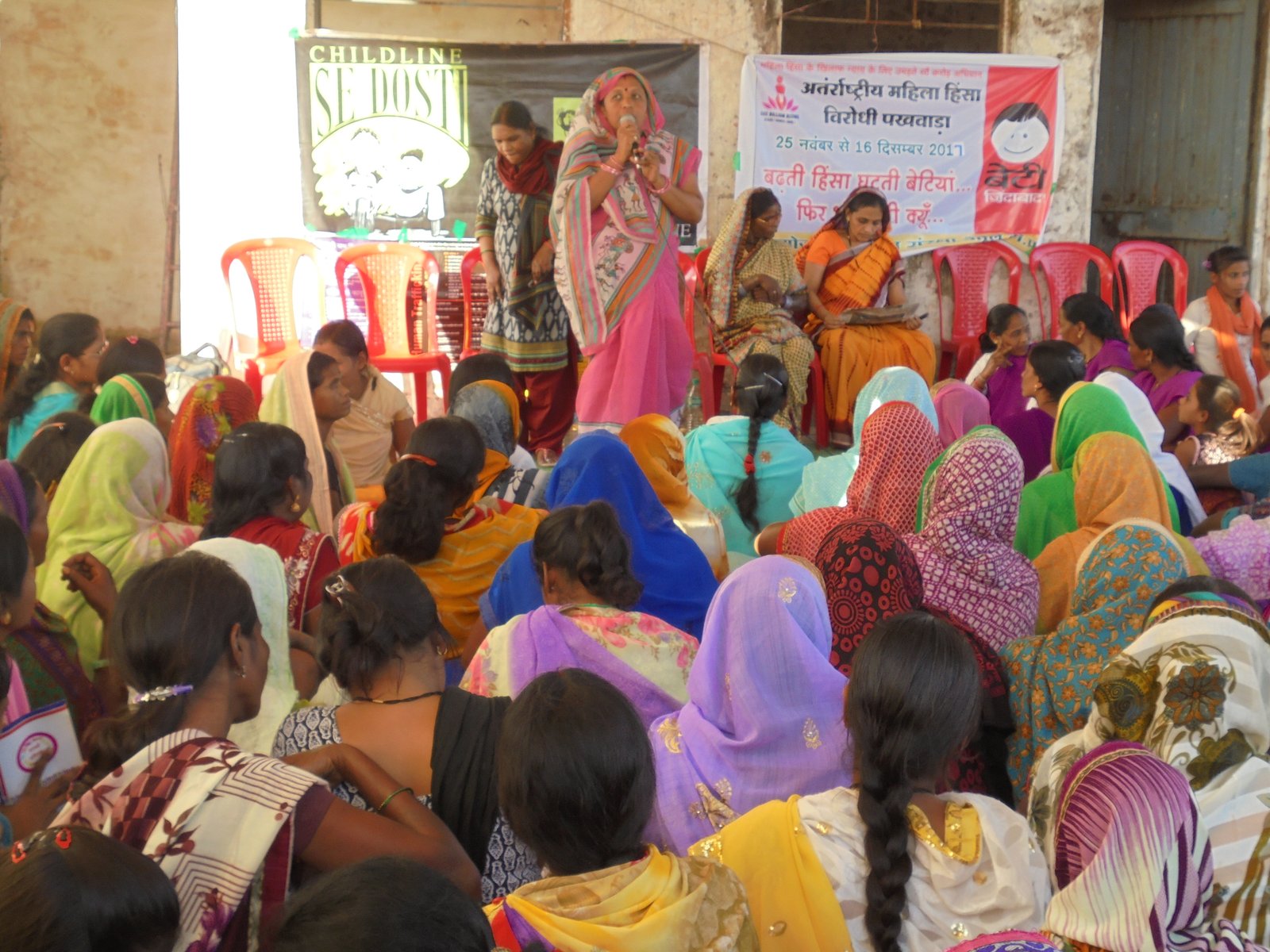
- Annual Anti-Violence Fortnight (25 November – 16 December): Organised every year since 2012, with continuous awareness campaigns in 350 villages and 250 schools reaching 35,000+ women and girls.
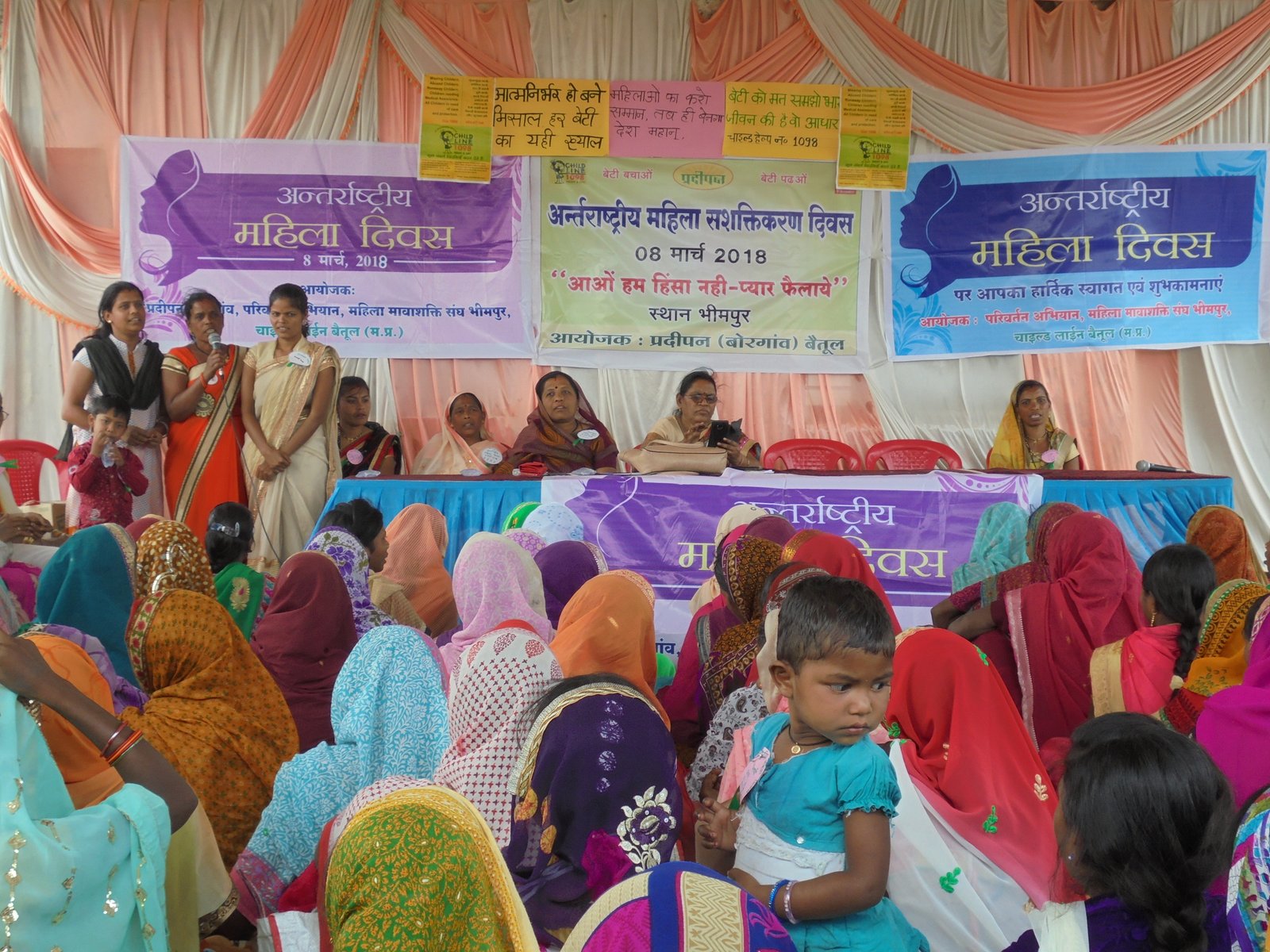
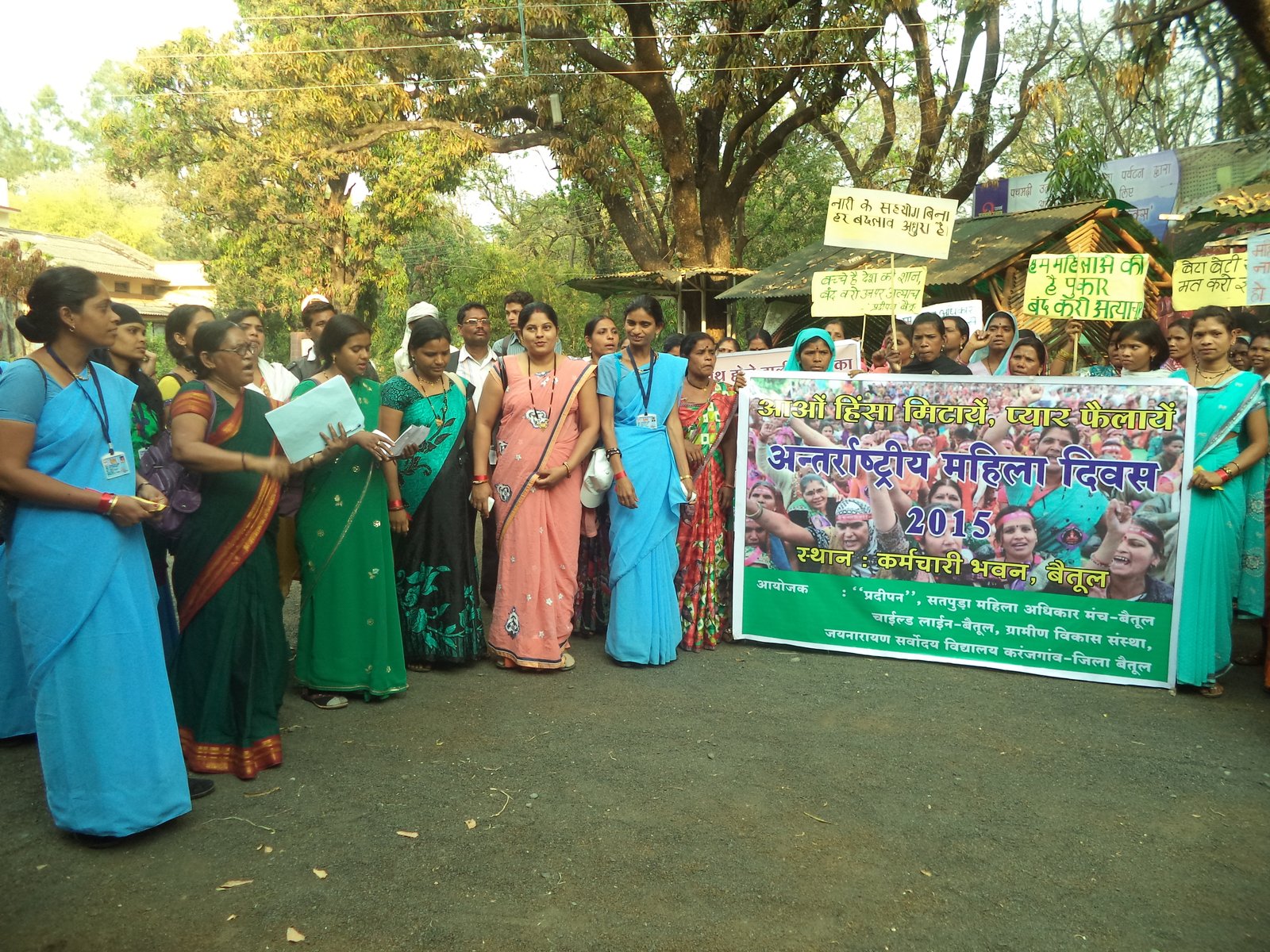
- International Women's Day: Organised at block and district levels for over 25 years, with 200 to 400 women participating annually.
- Swashakti Project (2002–2005): 60 women's groups formed with bank linkages; loans ranging from ₹20,000 to ₹3 lakh were facilitated. 'Mawa Shakti Sangh' was formed and registered. 40 women started dairy businesses with bank loans.
- Economic Empowerment: 100 Self-Help Groups connected to livelihood projects. Over 150 women engaged in small-scale businesses. Bank linkages, savings, and credit initiatives established to build financial independence.
- Women in Leadership: 8 women from Self-Help Groups elected as Sarpanch from unreserved seats, serving as role models for their communities.
- ASHA Workers: 32 women selected as ASHA workers, improving health service access and quality in their villages.
- Reduction in Violence: A significant reduction in violence against women and substance abuse has been observed in our working areas as a result of sustained community mobilisation.
SDG Alignment
Our gender justice and women's empowerment work contributes to the following United Nations Sustainable Development Goals:
SDG 5 — Gender Equality
SDG 1 — No Poverty
SDG 8 — Decent Work
SDG 10 — Reduced Inequalities
SDG 16 — Peace & Justice
Our Work in Action
Gender Justice Photo Gallery