Overview
For over three decades, Pradeepan has worked to connect children from tribal, Dalit, and marginalized communities — especially girls — to education, retain them in school, and improve the quality of their learning. We believe that girls' education is key to social justice, gender equality, and breaking the cycle of intergenerational poverty.
Our Impact
8,680+
Children Enrolled via School Chalo Abhiyan
1,750
Out-of-School Children Connected to Education
1,800
Working Children Re-enrolled
750
Children Supported (Parivartan Project)
4,500
Children in Quality Education Programme
450
Girls Enrolled in Azim Premji Scholarship
Key Interventions
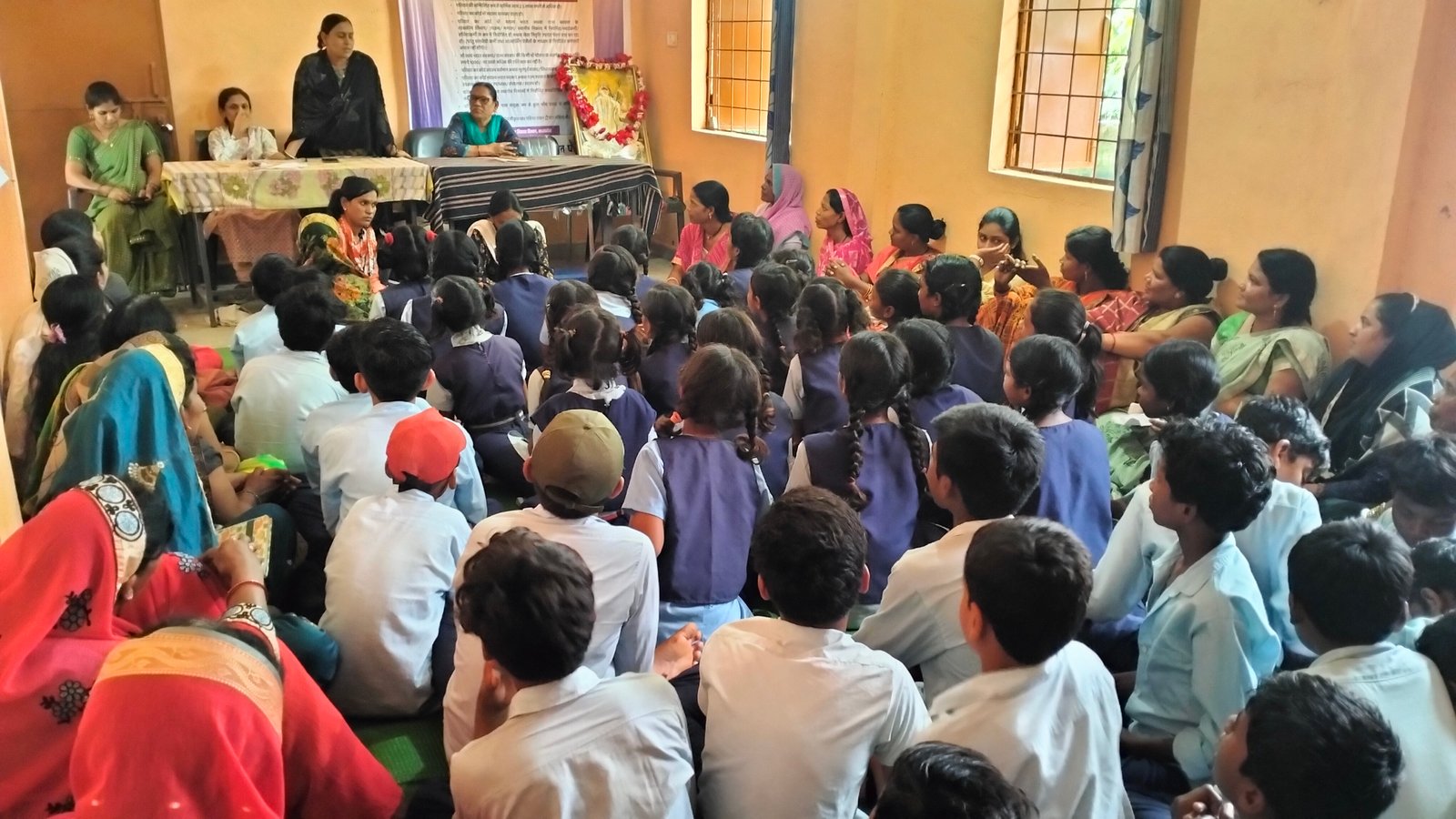
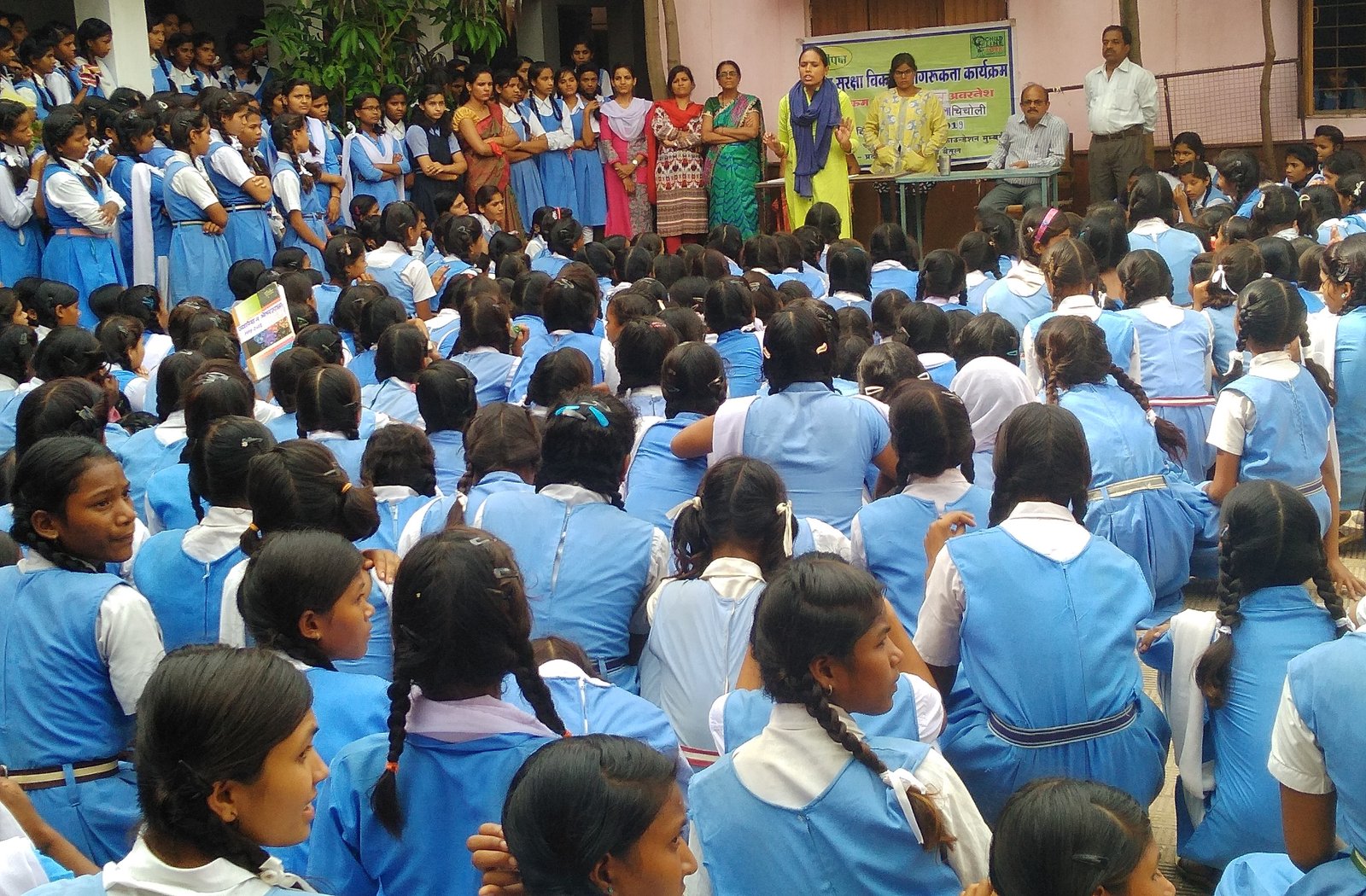
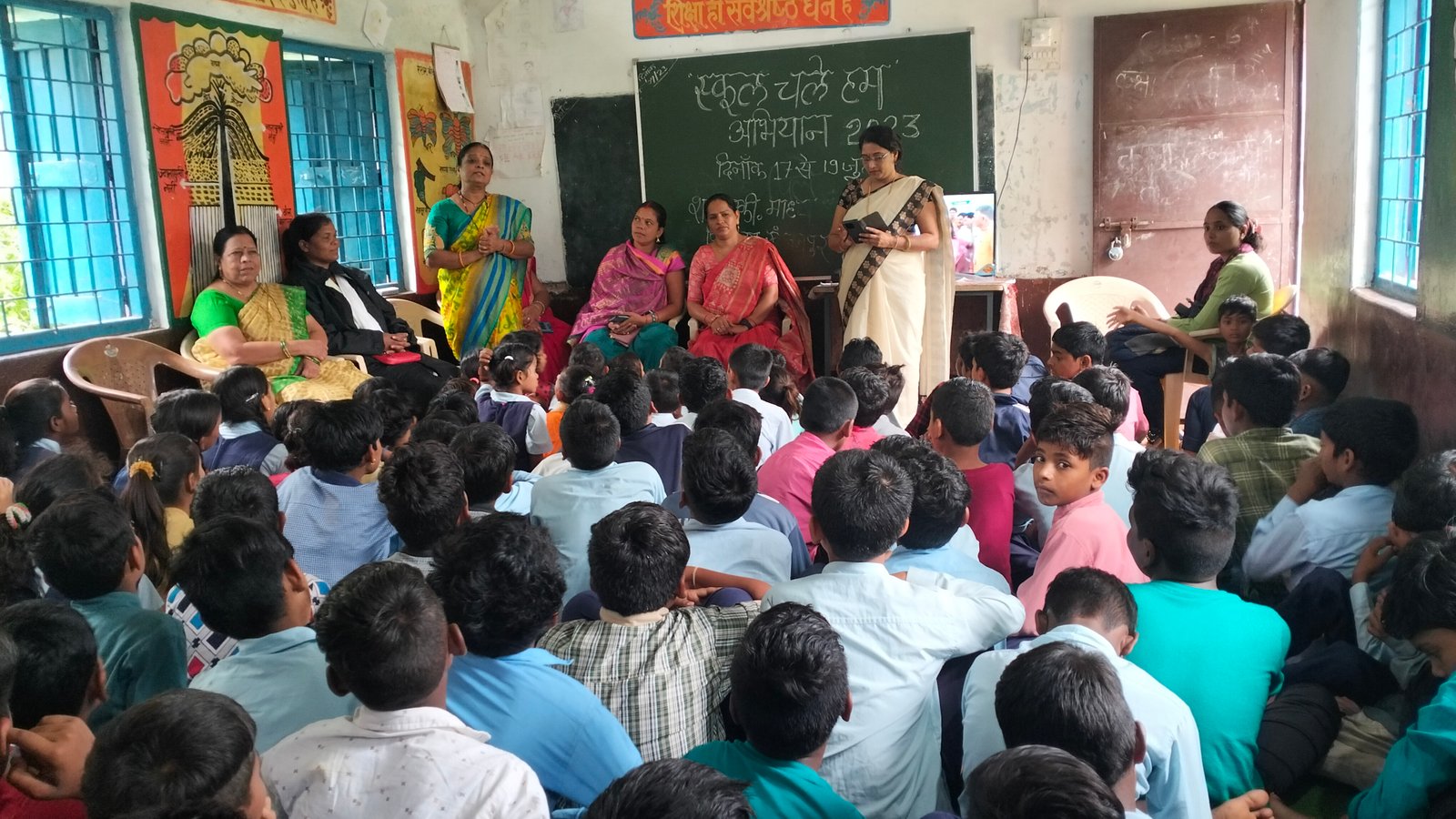
- School Chalo Abhiyan: Running continuously since 2000, the campaign has enrolled 8,680 children in school. It focuses on children engaged in child labour, those affected by migration, first-generation learners, and dropouts.
- Access to Education: 1,750 children, especially girls, were unable to gain admission due to lack of documents or distance. The organisation coordinated with the District Education Officer and enrolled them under the RTE Act.
- From Child Labour to Education: 1,800 children were identified doing domestic, agricultural, and other labour. Families were sensitised, and children were re-enrolled in school.
- Parivartan Project (2012–2018): 750 children from 50 villages enrolled under the RTE Act. Regular SMC/PTA meetings were held, textbooks and materials were distributed, and health check-ups were conducted. Child Protection Committees and Child Clubs were formed in 50 villages.
- Family Livelihood Support: Parents of 750 children were connected to government schemes and skill development training to address the economic barriers to education.
- Azim Premji Foundation Scholarship: 450 girls enrolled for the 2024–25 academic year, each receiving ₹30,000 annually for undergraduate and postgraduate studies.
- Quality Education Improvement (2019–2020): An intensive programme for 4,500 primary school children in 40 villages of Bhimpur block. Activities included SMC training, continuous attendance monitoring, and village educator volunteer classes.
SDG Alignment
Our education and social inclusion work contributes to the following United Nations Sustainable Development Goals:
SDG 4 — Quality Education
SDG 5 — Gender Equality
SDG 1 — No Poverty
SDG 10 — Reduced Inequalities
Our Work in Action
Education Photo Gallery