Since 1995, Pradeepan has worked in the geographically rocky, rain-dependent, and resource-poor Bhimpur block of Betul district. Through integrated watershed development, the organization has strengthened livelihoods, food security, and environmental balance by conserving land, water, forest, and agricultural resources.
Key Achievements
Key Interventions
Land & Soil Conservation
Bunding and contour bunding carried out on 2,500 hectares of land with the participation of 1,015 farmers across 35 villages of Bhimpur block. This reduced rainwater runoff, prevented soil erosion, and maintained soil moisture, resulting in a significant increase in Kharif and Rabi crop productivity.
Water Conservation & Resource Development
10 small check dams constructed in 10 villages for rainwater harvesting and improved groundwater levels. 5 ponds deepened for livestock, irrigation, and domestic use. 10 open wells constructed for drinking water. 20 temporary sandbag dams built on small rivers and streams for monsoon water retention and groundwater recharge.
Afforestation & Forest Conservation
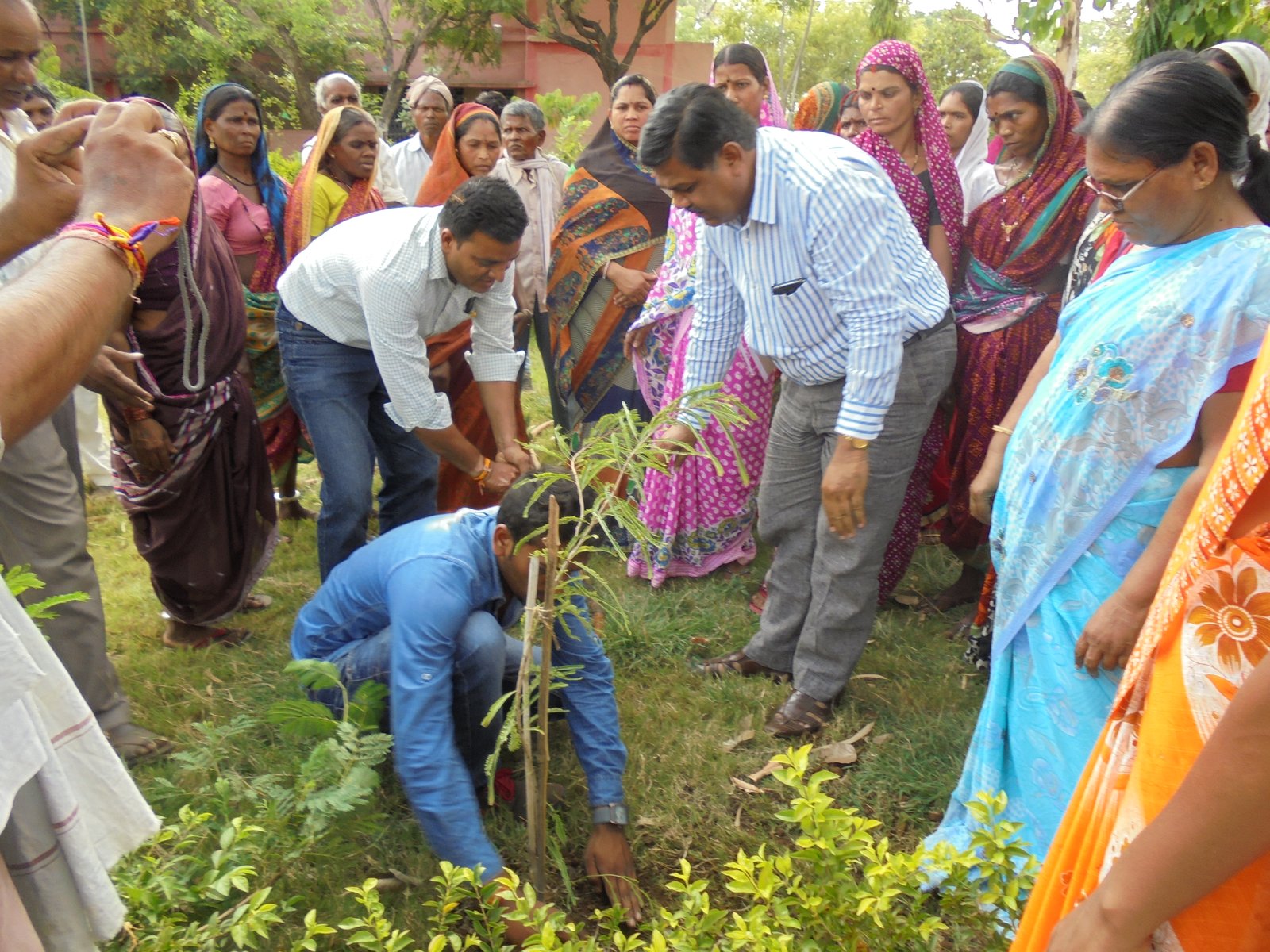
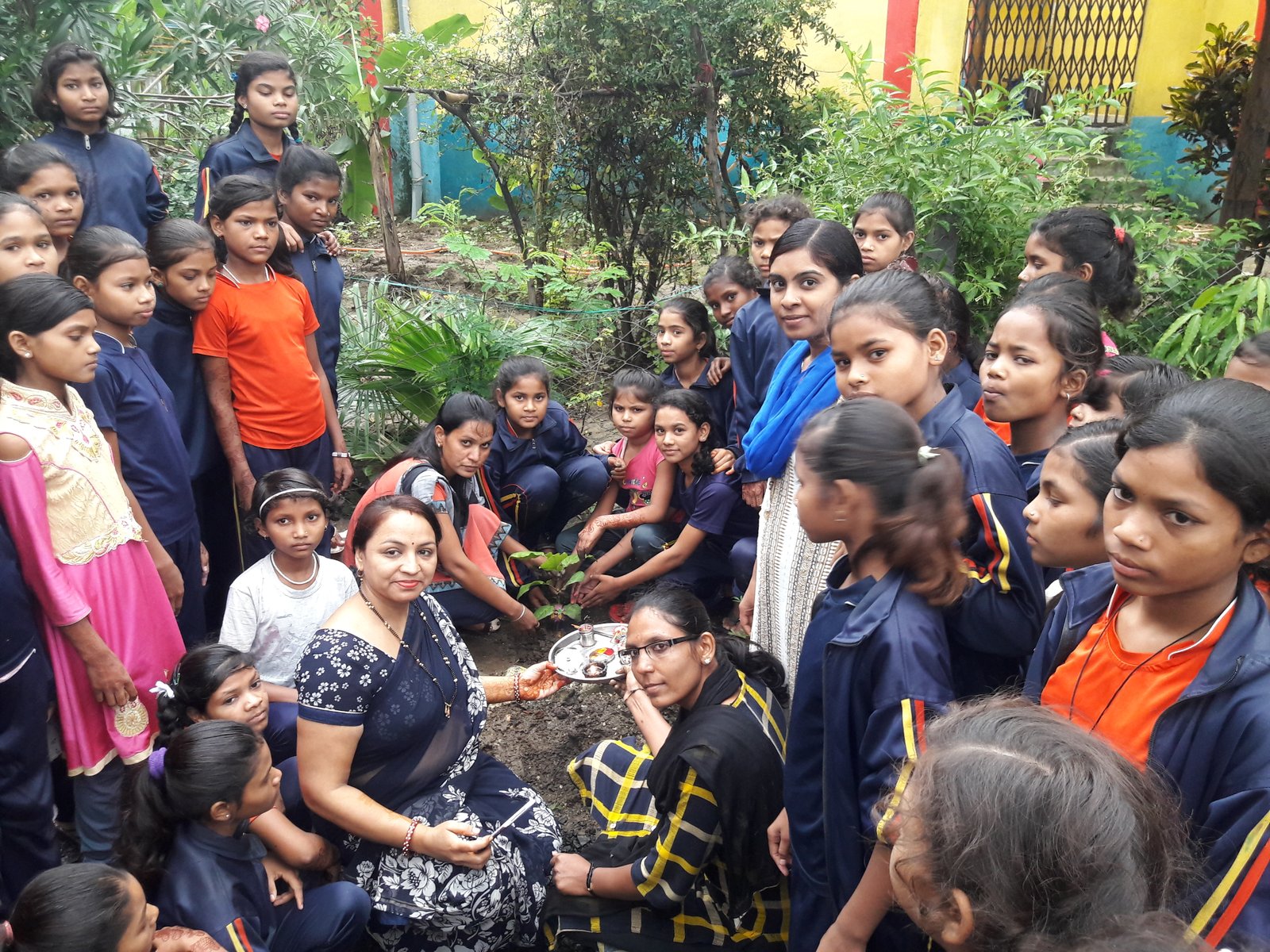
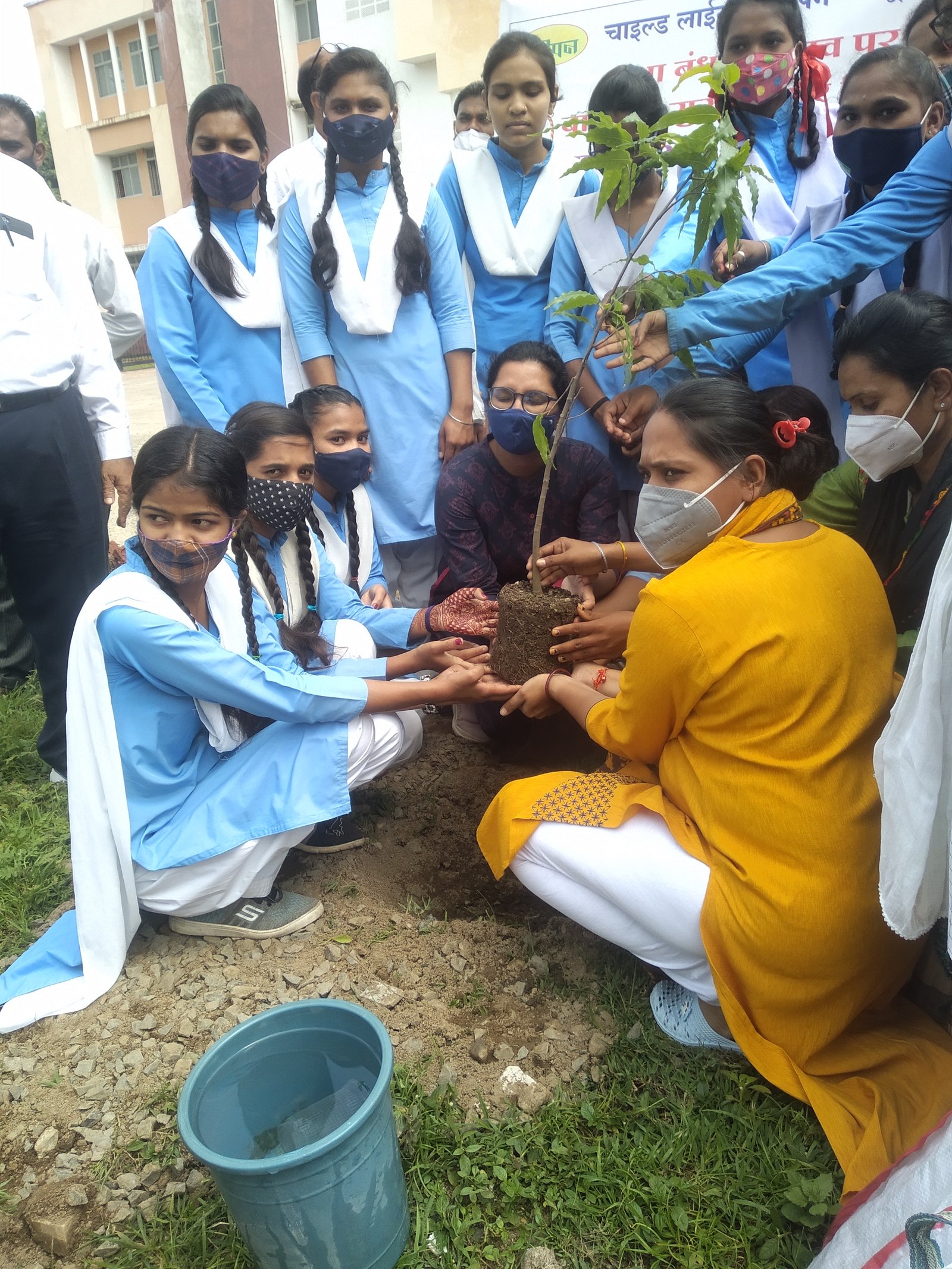
Approximately 25,000–30,000 saplings planted across 200 villages, increasing green cover. Environmental awareness campaigns conducted in 200 villages. 200 'Environmental Volunteers' trained from local youth. 50 Forest Protection Committees oriented and their capacity strengthened at village and block levels.
UNICEF WASH Project (2000)
A large-scale Child-Centric Environmental Sanitation and Water Supply Project implemented with UNICEF Bhopal support, covering 54 Gram Panchayats and 154 villages in Bhimpur Block. The ₹40 lakh project included hygiene promotion campaigns, drinking water source protection, sanitary mason training, toilet construction with behavioural adoption programmes, establishment of 10 sanitary marts, formation of school hygiene clubs and village sanitation committees, and institutional coordination with the PHE Department.
Seed Conservation
Seed banks established in 20 villages, conserving 7–8 quintals of local varieties including wheat, chickpea, paddy, Kodo, and Kutki. This freed farmers from dependence on moneylenders for seasonal seeds.
Sustainable Development Goals Alignment
Environment Photo Gallery