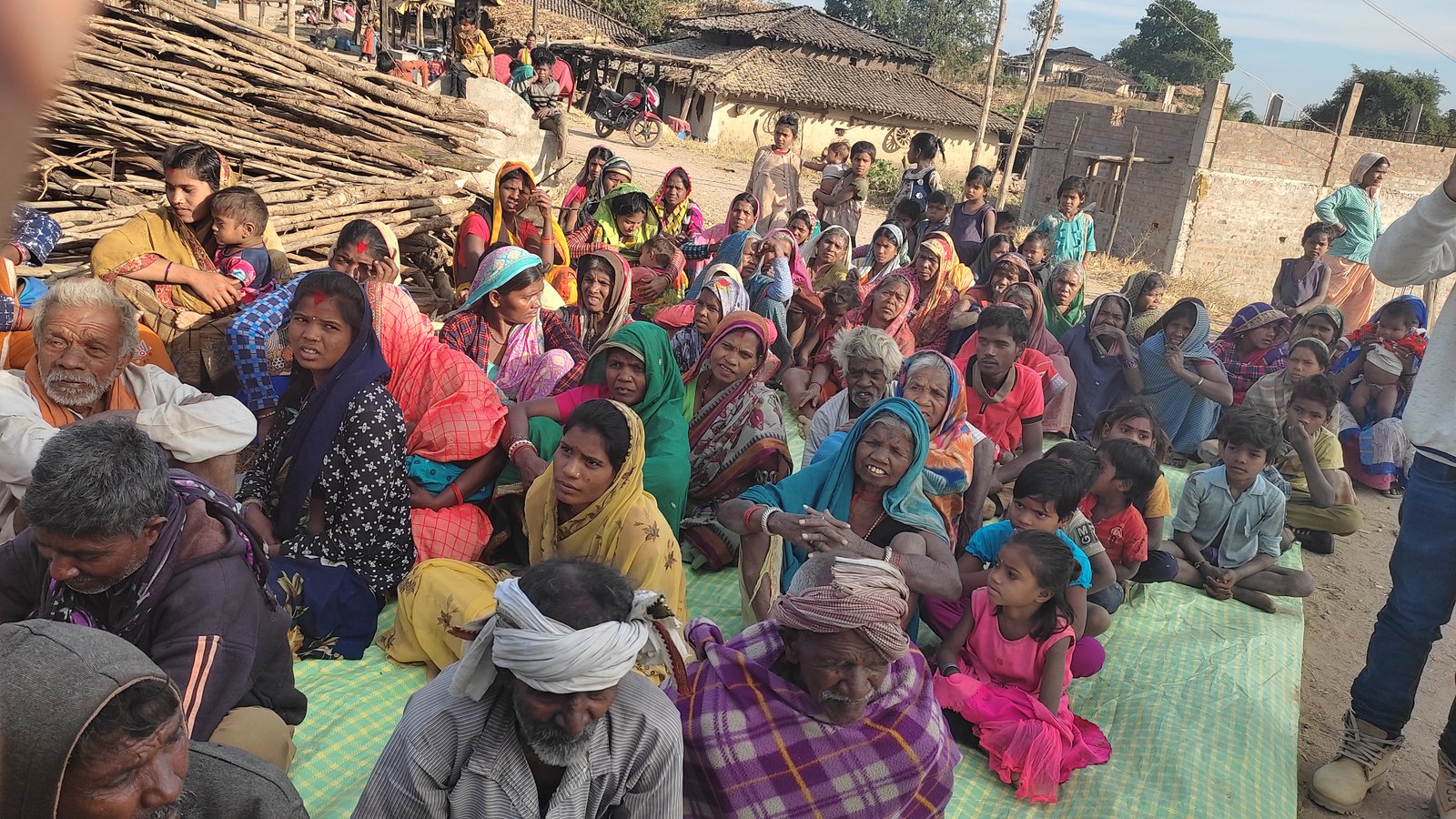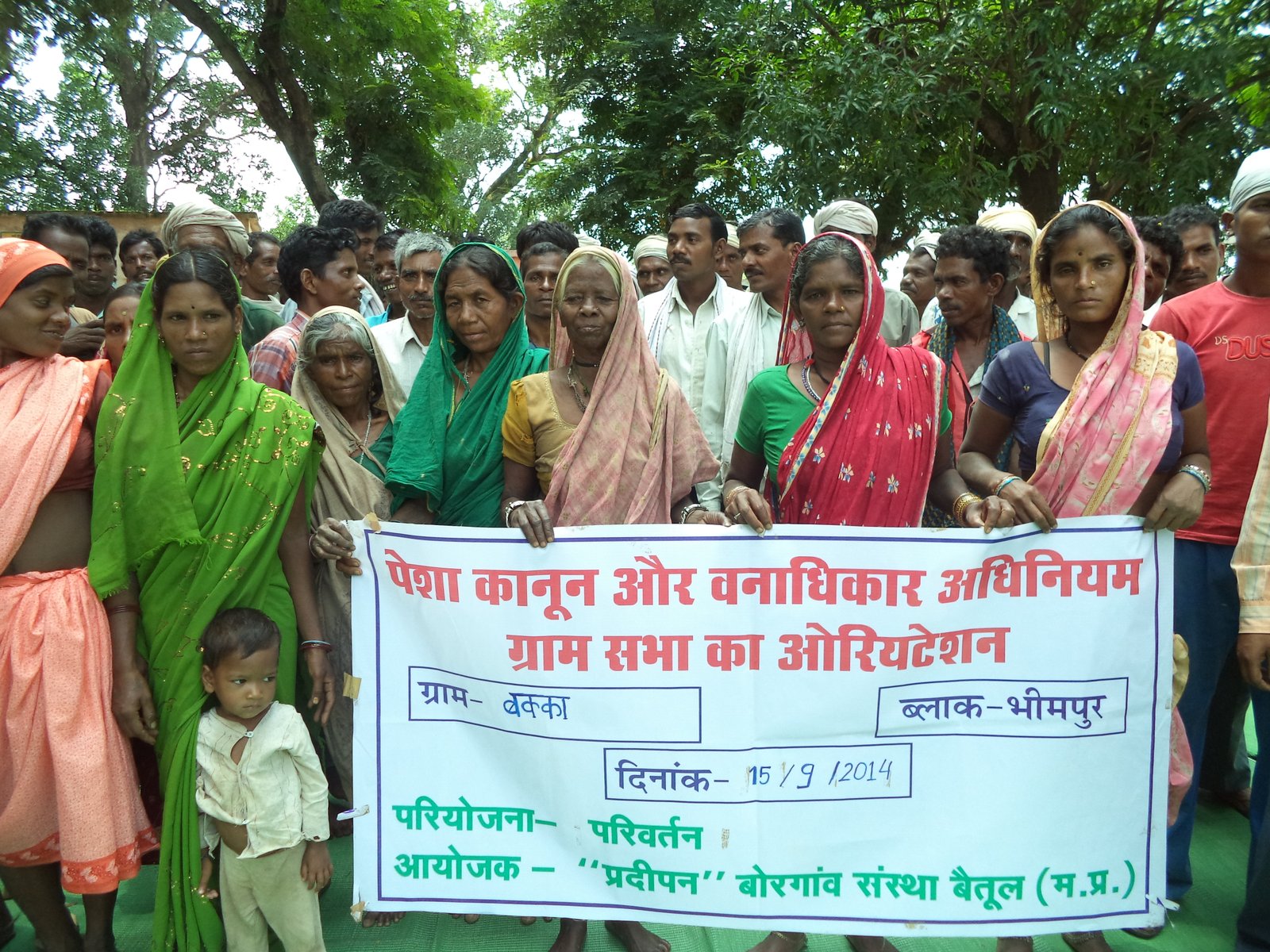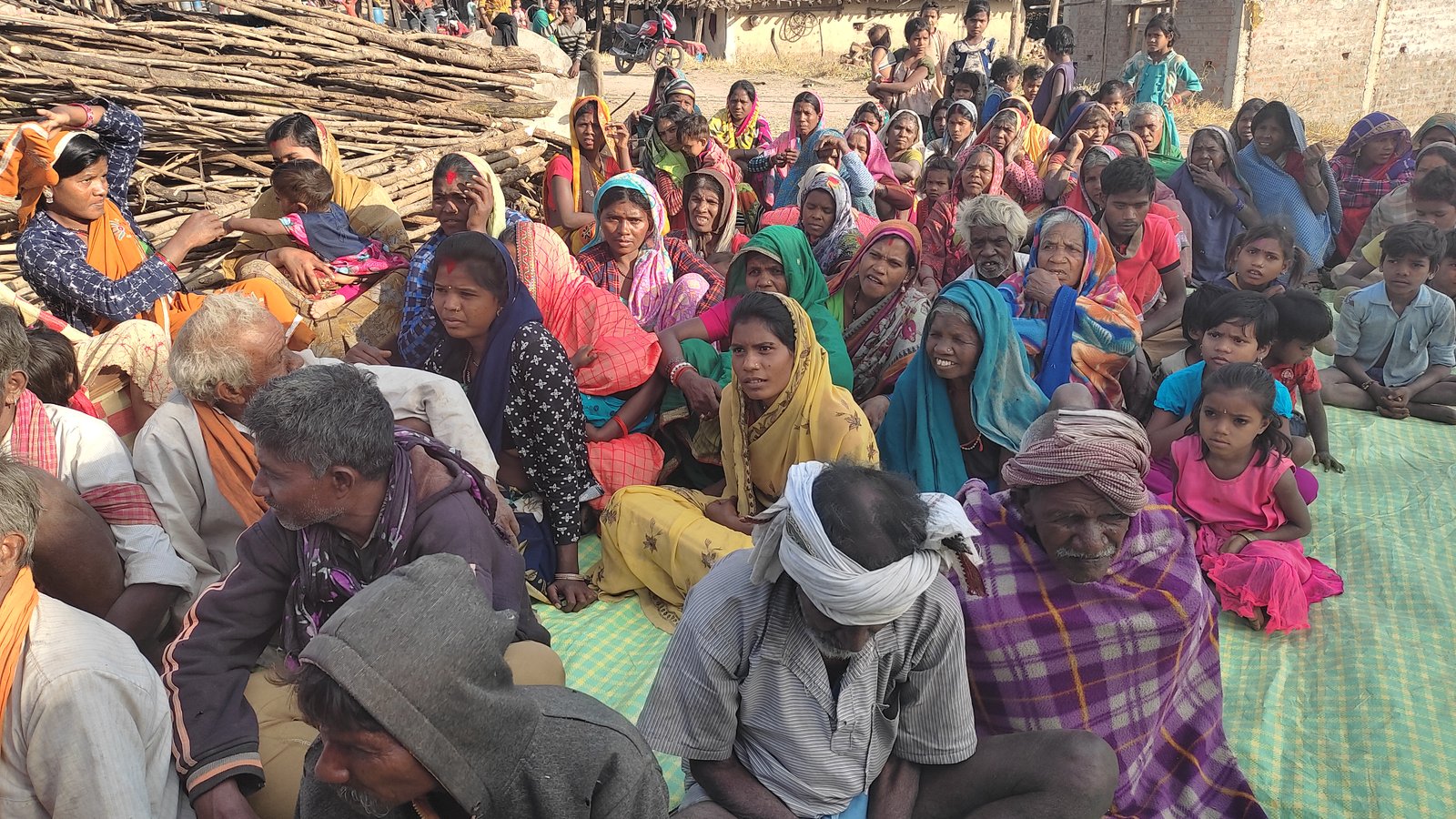
For the past 15 years, Pradeepan has worked continuously for the effective implementation of the Forest Rights Act, 2006 (FRA) at the grassroots level. The campaign raises awareness among Scheduled Tribes and Other Traditional Forest Dwellers about their legal forest rights, identifies eligible families, and provides end-to-end support in claiming forest land and residential rights. The organization currently works intensively in 50 villages across Betul and Mandla districts of Madhya Pradesh.
Key Achievements
Key Interventions
Family Identification & Claims
Identified 8,256 tribal and traditional forest-dwelling families residing on forest land prior to 2005–2006. Subsequently, 6,492 individual forest rights claims were prepared, documented, and submitted under the FRA.
Land Title Distribution
3,549 families have received forest land title deeds so far, including 136 unmarried women — marking a significant step towards women's empowerment and legal equality in forest governance.
Housing Rights (PMAY)
Under the State Homestead Land Scheme, 871 eligible beneficiaries were identified and facilitated for residential land titles. Of these, 784 families were successfully included under the Pradhan Mantri Awas Yojana (PMAY), enabling access to safe and secure housing.
Awareness & Capacity Building
Conducted extensive awareness campaigns on the Forest Rights Act and the Hindu Succession (Amendment) Act, reaching 10,500 families. Provided training and orientation to 375 Forest Rights Committee members to strengthen institutional responsibility and ensure gender-equitable implementation.
Women's Equal Land Rights
Through focused interventions, forest rights claims were filed in the names of 480 women and 175 men, either jointly or independently. This represents a crucial step towards legal equality, social justice, and women's leadership in forest governance.
Environmental Stewardship
The intervention is not limited to securing land titles alone. It also promotes environmental protection, biodiversity conservation, and community-based forest management, ensuring that forest conservation and human rights are mutually reinforcing.
PESA — Gram Sabha Rights
The Panchayats (Extension to Scheduled Areas) Act, 1996 — known as PESA — extends the panchayati raj system to Scheduled (tribal) Areas. It recognises the rights of Scheduled Tribe communities to govern themselves through their traditional institutions, and to protect their land, forests, natural resources, and cultural identity. Gram Sabhas under PESA hold supreme authority over local decisions in these areas.
Pradeepan's PESA Work
Pradeepan conducts sustained awareness campaigns to ensure tribal communities understand and exercise their rights under PESA. Jangal Singh Parte leads this work, enabling village-level Gram Sabhas to assert authority over natural resource management, prevent illegal land alienation, regulate money-lending, manage minor forest produce, and resolve local disputes through customary practices.
Key PESA Rights We Promote
- Gram Sabha authority over land acquisition and rehabilitation in Scheduled Areas
- Community control over minor forest produce (MFP) and natural resources
- Prevention of alienation of tribal land
- Regulation of money-lending to Scheduled Tribes
- Management of local markets, melas, and fairs
- Control over village institutions and functionaries
FRA + PESA: A Complementary Approach
Pradeepan works on FRA and PESA together as complementary frameworks. While FRA secures individual and community forest land rights, PESA ensures tribal Gram Sabhas retain governance authority over those resources. Together, they form the foundation of tribal self-determination and ecological sovereignty in Madhya Pradesh.
Sustainable Development Goals Alignment
Forest Rights Photo Gallery